Why Doing More Cardio Isn’t Helping You Lose Fat
If your instinct when fat loss stalls is to add more cardio, you’re not alone.
It’s the most common lever people pull.
And often, the one that quietly works against them.
This isn’t an anti-cardio rant. Cardio has value.
But when fat loss is the goal, more cardio is rarely the missing piece.
Cardio burns calories… but that’s not the whole story
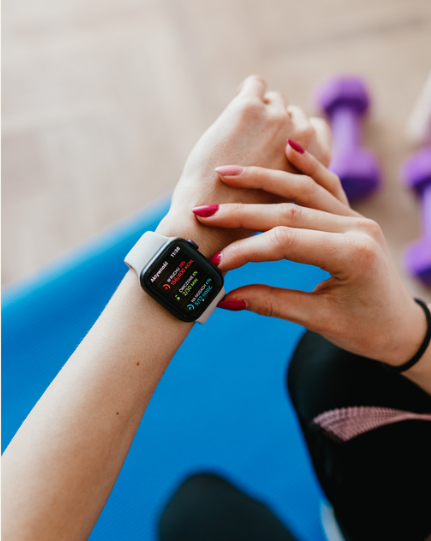
Yes, cardio burns calories in the moment.
But fat loss isn’t just about what happens during the session — it’s about what your body adapts to over time.
When cardio becomes the primary tool:
Your body gets efficient at it (burns fewer calories doing the same work)
Recovery demands increase
Hunger often rises
Training quality elsewhere drops
So while you’re doing more, your results can stall (or reverse).

The common pattern I see
This is the loop many people get stuck in:
Fat loss slows
Cardio increases
Food intake drops to “balance it out”
Energy tanks
Strength training becomes inconsistent
Muscle mass slowly declines
At that point, fat loss gets harder, not easier.
Not because you’re doing anything “wrong”,
but because the strategy is mismatched to the goal.
Why strength training matters more than you think
If you want to look leaner, not just lighter, muscle matters.
Strength training:
Preserves lean tissue during a calorie deficit
Improves how your body uses energy
Shapes your physique as fat comes off
Supports long-term maintenance
When cardio replaces strength training (instead of supporting it), fat loss tends to look underwhelming… even if the scale moves.
Stress, fatigue, and the invisible cost of “more”
More cardio also means more stress on the system.
And stress:
Increases water retention
Impacts sleep
Affects hunger regulation
Makes the scale noisy and unpredictable
This is where people say:
“I’m doing everything and nothing is working.”
Often, they’re doing too much of the wrong thing, not too little.

So… should you stop doing cardio?
No. But it should be intentional, not reactive.
Cardio works best when it:
Supports health, enjoyment, or performance
Is dosed appropriately for recovery
Doesn’t replace strength training
Isn’t used as punishment for eating
Sometimes fat loss improves when cardio is:
Reduced slightly
Structured more intentionally
Paired with better fueling and recovery
Counter-intuitive, but common.
The takeaway
If fat loss has stalled, the answer usually isn’t:
More cardio
Less food
More restriction
It’s stepping back and asking:
Is my training and nutrition actually supporting fat loss, or just creating fatigue?
Fat loss is built on the right inputs, not the most effort.
If you want a plan that brings all of these pieces together for you, you can read about the Bodygoal Breakthrough Program here.
If you want personalised support, you can book a discovery call here.